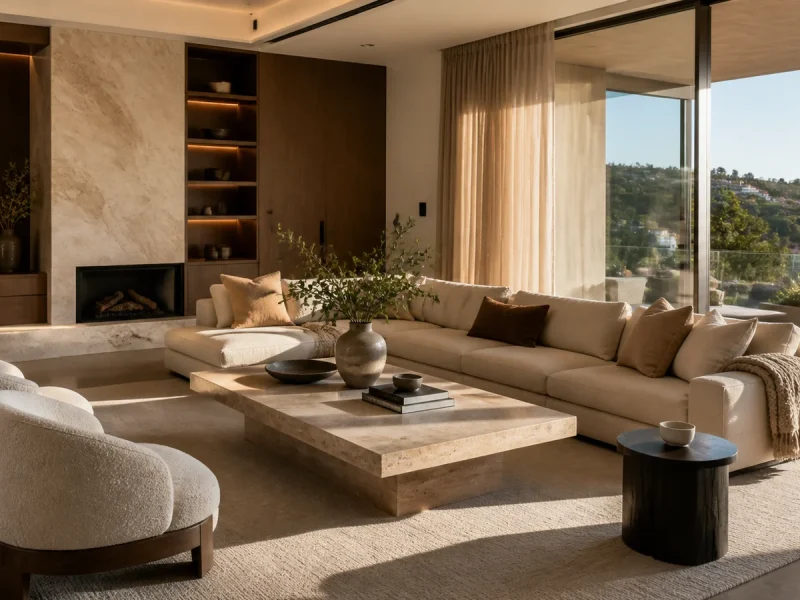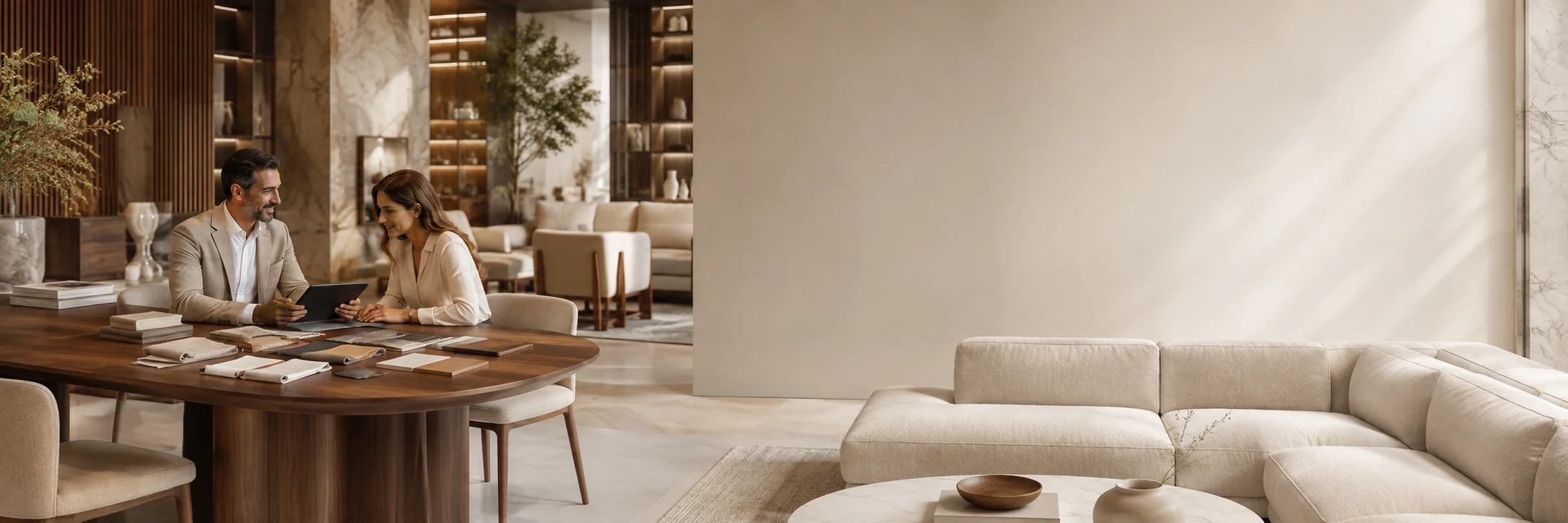
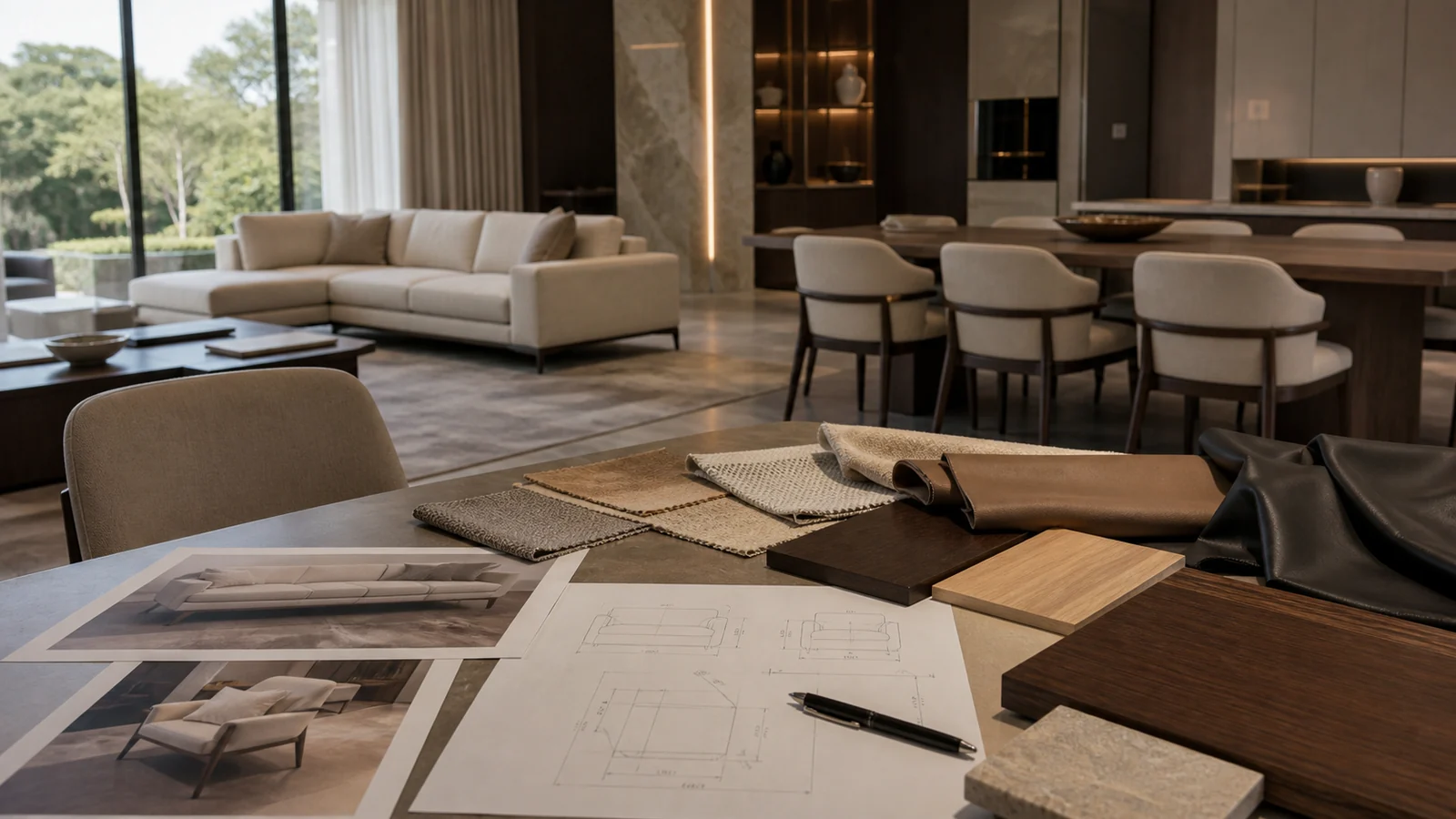
For many overseas villa, hotel, apartment, and high-end residential projects, the furniture selection process often starts with a clear visual direction. A designer may already have a preferred style, a reference sofa image, a dining chair concept, or a bedroom mood board. The challenge appears later: the original brand furniture may be expensive, difficult to source for the full project, or available only in standard sizes, fabrics, and finishes that do not fit the actual space.
This is where custom furniture from reference images becomes a practical sourcing model. Instead of buying every piece as a ready-made item, project buyers can send reference photos, dimensions, preferred colors, upholstery options, wood finishes, stone details, and room requirements to a furniture manufacturer. The factory then develops furniture around the project brief, not around a fixed catalog size.
For villas, hotels, serviced apartments, and interior design projects, this approach can improve spatial fit, visual consistency, and purchasing control. It is not about copying a brand label or claiming affiliation with a third-party designer. It is about using a reference image as a design starting point, then creating furniture that matches the buyer’s required dimensions, materials, and project context.
Why Project Furniture Often Cannot Rely Only on Standard Sizes
Standard furniture is convenient when a buyer needs one or two pieces for a simple room. Project furniture is different. A villa living room may need a sofa with a specific depth to preserve walkways. A hotel suite may require nightstands that align with the bed wall and electrical layout. A dining table may need to seat a certain number of guests while still leaving comfortable circulation around the room.
When furniture is selected only from fixed catalog sizes, the interior design often has to adapt to the product. In a project setting, that can create compromises: a sofa may feel too deep for the room, a bed may not suit the planned fabric palette, or dining chairs may look right in a reference image but feel visually disconnected from the rest of the space.
Custom production reverses that relationship. The furniture is adjusted to the space, the design language, and the purchasing brief. For buyers sourcing indoor furniture for residential or hospitality interiors, this can be especially useful when many rooms need related forms, materials, and colors without every piece being identical.
How Reference Images Work in Custom Furniture Development
A reference image is a communication tool. It helps the buyer and factory discuss proportion, silhouette, material direction, and general style. A good reference image can show whether the buyer prefers a low-profile sofa, a curved sectional, a sculptural lounge chair, a rounded dining table, or a bed with soft upholstery details.
However, a reference image is not a complete production specification. To develop furniture responsibly, the factory still needs practical details that turn the visual idea into a manufacturable product. These details usually include dimensions, materials, construction preferences, color direction, quantity, and project usage.
Useful information to send with reference images
- Overall dimensions: length, width, height, seat height, depth, table diameter, or bed size where relevant.
- Room or space dimensions: wall length, ceiling height, circulation limits, or layout plans if available.
- Material preferences: fabric, leather, veneer, solid wood tone, metal finish, stone color, rope, rattan, or outdoor material direction.
- Color palette: interior renderings, mood boards, Pantone references, fabric swatches, or photos of existing finishes.
- Usage context: private villa, hotel guest room, lobby, serviced apartment, outdoor terrace, or residential development.
- Quantity and room schedule: the number of pieces needed and whether different rooms require variations.
The more precise the brief, the less the factory has to guess. This is important because small changes in dimensions, upholstery thickness, leg height, or cushion structure can affect the final look and comfort of the furniture.
What Can Usually Be Customized From a Furniture Reference
The value of custom furniture is not limited to changing one color. For project buyers, the most useful adjustments often involve size, materials, finish coordination, and room-by-room consistency.
Dimensions and proportions
A sofa can be adjusted in length, depth, seat height, chaise direction, and modular combination. A dining table can be resized according to the number of seats and the dining area. A bed can be developed around the mattress size, headboard height, and wall panel relationship. Chairs can be adjusted in upholstery, leg finish, and sometimes proportion, depending on the structure.
These changes help the furniture feel intentional inside the room. In high-end projects, this matters because furniture that is almost right can still disturb the balance of the interior.
Materials, fabrics, and finishes
Reference images often show the desired shape, but the actual project may need different materials. A light boucle sofa in a photo may need to become a more practical performance fabric for a rental villa. A dark wood dining table may need a warmer finish to match flooring. A marble top may need a different stone tone to coordinate with the interior design scheme.
Custom development allows the buyer to select materials that suit the project rather than accept the original reference exactly as shown. For outdoor spaces, material selection becomes even more important because sun, humidity, and usage patterns should influence the final specification. Buyers planning terraces, pool areas, or resort spaces can also review related outdoor furniture options when building a consistent project package.
Design language across multiple rooms
Hotels, villas, and residential projects rarely need only one isolated item. A living room sofa, lounge chairs, dining chairs, beds, nightstands, consoles, and outdoor seating may all need to feel connected. Custom production can help maintain a consistent material and design language across different spaces.
This does not mean every room must look the same. A master bedroom, guest room, lobby, and terrace can have different furniture types while still sharing related wood tones, upholstery colors, rounded forms, or metal finishes. This level of coordination is difficult when all furniture is sourced from unrelated ready-made collections.
Why This Sourcing Model Fits Villas, Hotels, and Residential Projects
Project buyers usually care about three things at the same time: design result, practical fit, and purchasing control. Custom furniture from reference images can support all three when the communication and production process are managed carefully.
For villa projects, the main benefit is fit. The furniture can be developed around the actual room scale, preferred lifestyle, and interior mood. A large family living room may need a deeper sectional and larger coffee table, while a compact apartment living area may need a cleaner sofa profile to keep the room open.
For hotel and serviced apartment projects, consistency is often the main benefit. Guest rooms, suites, public areas, and dining spaces may need repeated furniture types with controlled variations. A custom factory can help coordinate materials and finishes across the order, which is harder when buyers combine many ready-made pieces from different suppliers.
For interior designers and procurement teams, the benefit is control over the specification. The design intent can remain close to the approved concept while dimensions, upholstery, finish, and packaging are adapted to real project requirements.
Cost Control Without Reducing the Project to the Lowest Price
One reason buyers consider China custom furniture manufacturing is cost control. Brand furniture can be expensive, and project quantities can make that difference significant. But price should not be the only decision factor. The real goal is not simply to find the cheapest supplier; it is to find a manufacturer that can interpret the design brief, develop a workable product, and deliver furniture that suits the project.
When comparing suppliers, buyers should look beyond the unit price and ask practical questions. Can the factory understand reference images and turn them into production drawings or specifications? Can it source appropriate fabric, leather, wood, stone, or metal finishes? Can it confirm dimensions clearly before production? Can it provide samples or material references where needed? Does it understand packaging for international transportation?
A low quotation can become expensive if the final furniture does not fit the room, if materials are misunderstood, or if packaging is not suitable for export. For project furniture, cost control should include fewer specification mistakes, clearer communication, and better coordination across the whole order.
A Practical Process for Custom Furniture From Reference Images
For first-time buyers, the process may feel unfamiliar, but it can be managed in a clear sequence. A good workflow reduces uncertainty before production begins.
- Send the reference material. Provide furniture images, room renderings, mood boards, layouts, and any preferred material examples.
- Confirm the project requirements. Clarify size, quantity, room usage, color direction, upholstery, finish, and delivery destination where relevant.
- Review the proposed specification. The factory should confirm what can be made, what should be adjusted, and which materials are suitable.
- Approve quotation and details. Before production, confirm dimensions, materials, finish, quantity, packaging expectations, and payment terms.
- Produce samples or material confirmations where needed. For important finishes or upholstery choices, sample review can reduce misunderstanding.
- Inspect before shipment. Check product appearance, dimensions, finish, upholstery, packing condition, and order completeness before international transport.
- Arrange export packaging and shipping. Furniture should be packed with the project destination and transport method in mind.
This process is especially important when several furniture categories are ordered together. Sofas, chairs, dining tables, beds, cabinets, and outdoor pieces may involve different materials and construction methods, so each item should be confirmed before production.
What Buyers Should Check Before Choosing a China Custom Furniture Factory
A capable custom furniture supplier should offer more than a price list. Buyers should evaluate whether the factory can support the full project workflow from design interpretation to export delivery.
- Product development ability: the supplier should understand proportions, structure, and manufacturable details from reference images.
- Material selection ability: the supplier should help match fabrics, leather, wood, metal, stone, or outdoor materials to the project intent.
- Dimension confirmation process: measurements should be checked carefully before production, especially for sofas, beds, tables, and built-in-related pieces.
- Sampling and approval method: material samples, finish samples, or prototype discussions may be needed for higher-value projects.
- Quality control: inspection should cover visual appearance, dimensions, stability, upholstery, finish, hardware, and packaging.
- Export experience: international packaging, loading, documentation, and shipment coordination should be part of the discussion.
These checks help buyers avoid treating custom furniture as a simple online purchase. Project furniture requires communication, confirmation, and a shared understanding of the expected result.
Working With LOVSETTI on Project Furniture
LOVSETTI works with project-oriented furniture requests where buyers need furniture adapted to reference images, room dimensions, material preferences, and interior design direction. The process is most effective when the buyer can provide clear images, measurements, finishes, and project context from the beginning.
For a villa, hotel, residential, or interior design project, buyers can send a furniture reference image together with the required dimensions, preferred fabric or leather, wood or metal finish, quantity, and delivery information. LOVSETTI can then review the request and discuss a suitable custom furniture direction for the project.
If you are planning a project and want furniture developed from reference images rather than limited to standard catalog sizes, you can contact LOVSETTI with your drawings, images, dimensions, and material preferences for review.